

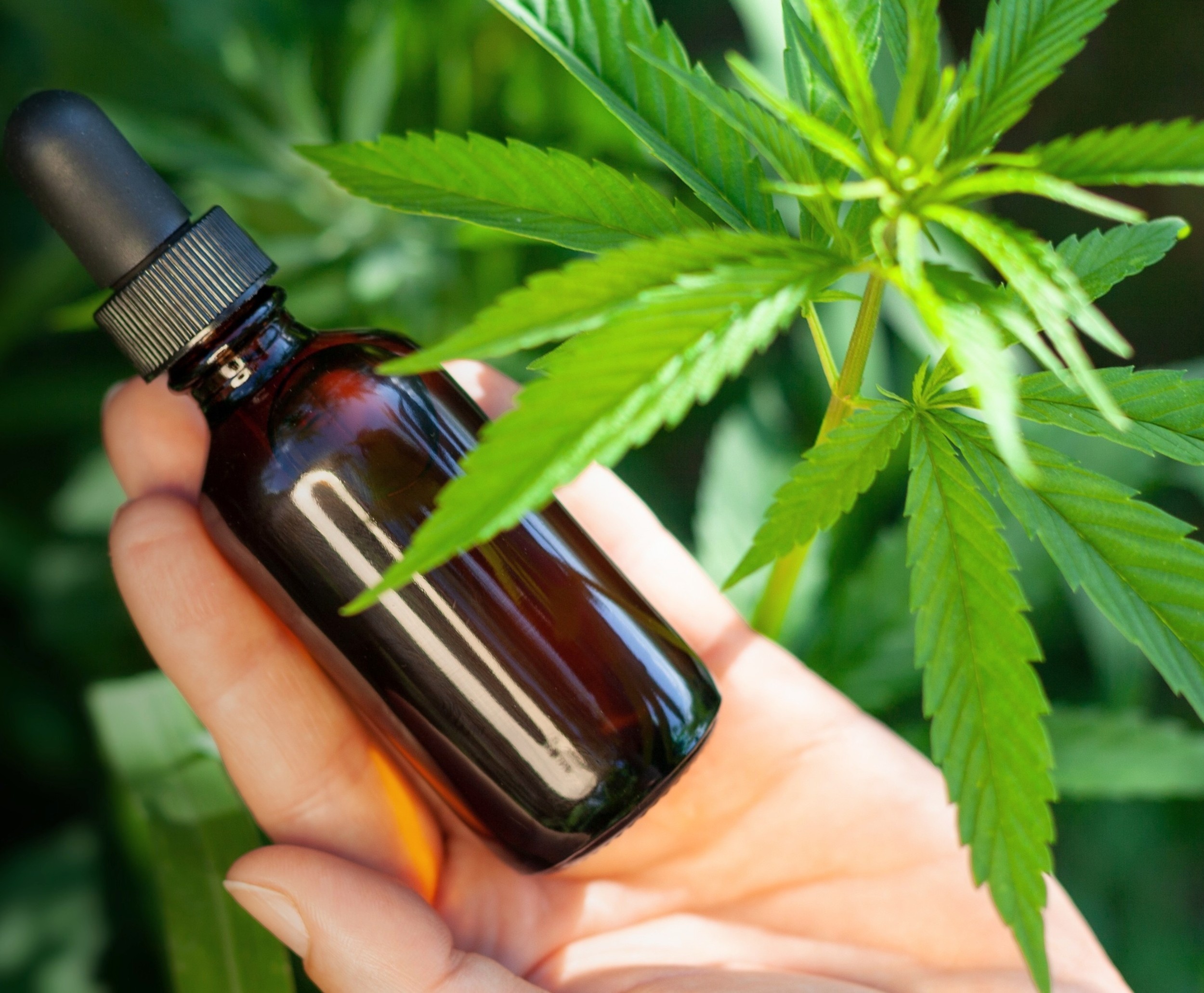
Living with chronic pain means waking up every day already tired. The ache lasts for months or even years – often resisting standard treatments.
As prescriptions fall short, many people turn to cannabis-based products, hoping for relief. Oils, sprays, pills, and gummies promise comfort without the risks tied to stronger drugs. But do they actually help?

In a large review of medical studies, researchers set out to answer that question by looking closely at how different cannabis products affect people with long-term pain.
The findings paint a careful picture. Some products may offer small benefits for certain patients, but those gains often come with trade-offs.
Looking closely at cannabis products
Cannabis products are usually defined by two compounds: tetrahydrocannabinol and cannabidiol.
THC causes the “high” linked to marijuana, while CBD does not intoxicate and is often sold as a wellness supplement. Many products combine the two compounds in varying ratios.
The review examined whether those differences matter for pain relief. The researchers analyzed data from more than 2,300 adults living with chronic pain.
The studies focused on pain that lingered for months or years, not short-term discomfort after injury or surgery.
Limited pain relief from CBD
The results showed a clear pattern. Products with higher levels of THC compared to CBD were linked to small, short-term improvements in pain and physical function.
These effects were most noticeable in people with nerve-related pain, also known as neuropathic pain. This type of pain can cause burning, tingling, or sharp sensations that are especially hard to manage.
CBD-only products and those with very low THC levels told a different story. They did not appear to meaningfully reduce pain for most people.
Despite their popularity, the evidence did not support strong pain relief from CBD products alone.
Measuring pain relief and side effects
The review was led by a team at Oregon Health & Science University working alongside other experts. The researchers examined 25 short-term randomized trials.
The team grouped products by THC-to-CBD ratios. They also tracked whether products were synthetic, purified, or extracted from the cannabis plant.
The methods of cannabis use mattered too. Some products were taken orally as pills, others as sprays inside the mouth, and some applied directly to the skin.
Across all studies, the researchers measured changes in pain severity, physical function, and side effects.
Physical function included everyday tasks such as walking, working, and handling daily responsibilities. This broader view helped capture how pain relief translates into real life.
What the results showed
Oral products containing only THC were linked to slight reductions in pain severity. Among them, nabilone stood out with a moderate benefit.
Dronabinol, another THC-only drug, produced little or no meaningful improvement. A product combining THC and CBD, nabiximols, slightly reduced pain but did not improve physical function.
Side effects were common. Products with high or comparable THC levels were consistently tied to higher rates of dizziness, sedation, and nausea.
These increases ranged from moderate to large. For some people, the side effects may outweigh the small pain relief.
Most trials lasted only a short time. Because of this, the researchers stressed that long-term safety and effectiveness remain unclear.
Many cannabis products commonly used by the public have not yet been studied in controlled clinical trials.
Expert views on the study
An editorial by experts at the UCLA Center for Cannabis and Cannabinoids offered some perspective on the findings.
The paper emphasized that cannabinoids may help some people with chronic pain, but the benefits are limited and inconsistent. THC-based products may provide modest relief, yet safety concerns persist.
The editorial also highlighted gaps in the current research. Long-term outcomes remain uncertain, and many formulations available today lack solid evidence.
Without clearer data, decisions about cannabis use for pain remain difficult for patients and clinicians alike.
Broader implications of the research
For people living with chronic pain, the review delivers a cautious message. Cannabis products are not a cure-all.
THC-heavy options may offer short-term relief for certain types of pain, especially nerve-related pain, but side effects are common.
CBD-only products, despite their popularity, showed little benefit in reducing pain.
Until stronger evidence emerges, cannabis-based treatments occupy a limited role in pain care.
Patients considering these options still face uncertainty, balancing modest benefits against known risks.
More high-quality research will be needed before cannabis can take a clearer place in long-term pain treatment.
The study is published in the journal Annals of Internal Medicine.
—–
Like what you read? Subscribe to our newsletter for engaging articles, exclusive content, and the latest updates.
Check us out on EarthSnap, a free app brought to you by Eric Ralls and Earth.com.
—–
link