

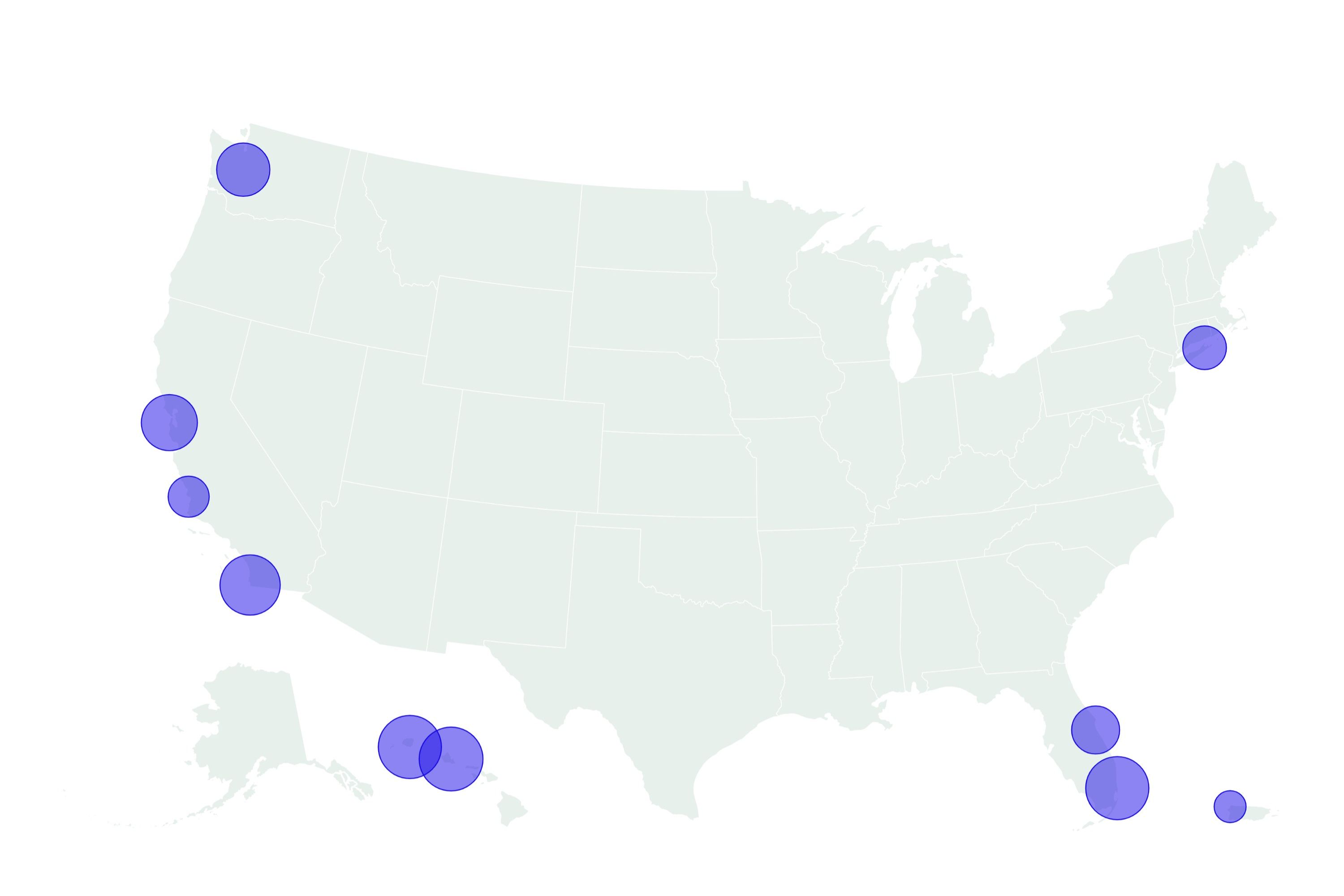
Beaches in California, Hawaii, Florida, New York, Washington and Puerto Rico have been identified as “bacteria hotspots” in a new report, potentially raising concerns for millions expected to visit U.S. beaches during the summer season.
The Surfrider Foundation released its 2024 Clean Water Report on Tuesday, pinpointing 10 U.S. beaches where local foundation chapters consistently measured high bacteria levels that exceed state health standards for recreational water.
Why It Matters
With more than 100 million Americans visiting U.S. beaches each year, contaminated water can be a threat to public health, leading to illnesses such as gastrointestinal disease and skin infections.
What To Know
The foundation’s Blue Water Task Force (BWTF) processed 10,120 samples at 604 locations during 2024. Of these, 483 sites—about 80 percent—showed at least one sample with bacteria concentrations surpassing state health limits, the report said.
The 10 locations identified in the study as hot spots, along with their rate of high bacteria, were:
- Windmill Beach, Sag Harbor, New York: 43 percent.
- Ballard Park, Melbourne, Florida: 52 percent.
- Park View Kayak Launch, Miami Beach, Florida: 90 percent.
- Playa Crashboat, Aguadilla, Puerto Rico: 23 percent.
- South Sound Thea Foss Floating Dock, Tacoma, Washington: 64 percent.
- Linda Mar Beach, Pacifica, California: 71 percent.
- San Luis Creek Mouth, Avila Beach, California: 38 percent.
- Imperial Beach, San Diego, California: 82 percent.
- Kahalu’u, Kahalu’u, O’ahu, Hawaii: 92 percent.
- Waikomo Stream at Koloa Landing, Poipu, Kaua’i, Hawaii: 90 percent.
The study classified a high bacteria rate as percentage of collected samples that do not meet the state’s health standards for recreational water quality.
Most of these sites registered repeated high levels of fecal-indicator bacteria, which are tied to human illnesses including gastrointestinal issues, flu-like symptoms and serious skin conditions like MRSA and staph infections, according to the report.
It noted that potential sources of pollution can include stormwater outlets, rivers and creeks that discharge onto the beach.
What People Are Saying
A spokesperson for the Surfrider Foundation told Newsweek: “Most of the beaches that are on Surfrider’s Beach Bacteria Hot Spots list have been featured for a few years running because the water quality issues there are chronic, or regularly occurring. Many have failing wastewater infrastructure in their watershed or local community that is leaking sewage into local waterways.
“Whether its old and corroded sewage lines in Miami, Florida; leaking sewer laterals in California; septic systems in Puerto Rico, cesspools in Hawai’i; or transboundary sewage at the U. S./Mexico border that isn’t being treated at all, we need to invest in maintaining and upgrading our wastewater infrastructure to protect beachgoers from getting sick at the beach and to support healthy coastal ecosystems.”
The Surfrider Foundation, in a post on X, formerly Twitter, on Tuesday: “From coast to coast, Surfrider volunteers are making huge waves in the fight for clean water — and this year was our biggest yet…
“Surfrider is advocating for policies at the local, state, and federal levels to ensure our ocean and coasts are clean and safe for all people to enjoy.”
What Happens Next
The Surfrider Foundation flagged the proposed elimination of EPA BEACH Act Grants in the fiscal year 2026 budget, warning that 35 coastal states and territories could lose funding for the water testing and public warning systems the program provides.
Update 5/22/25, 11:56 a.m. ET: This article was updated with comment from a spokesperson for the Surfrider Foundation.
link