
Published on
February 4, 2026

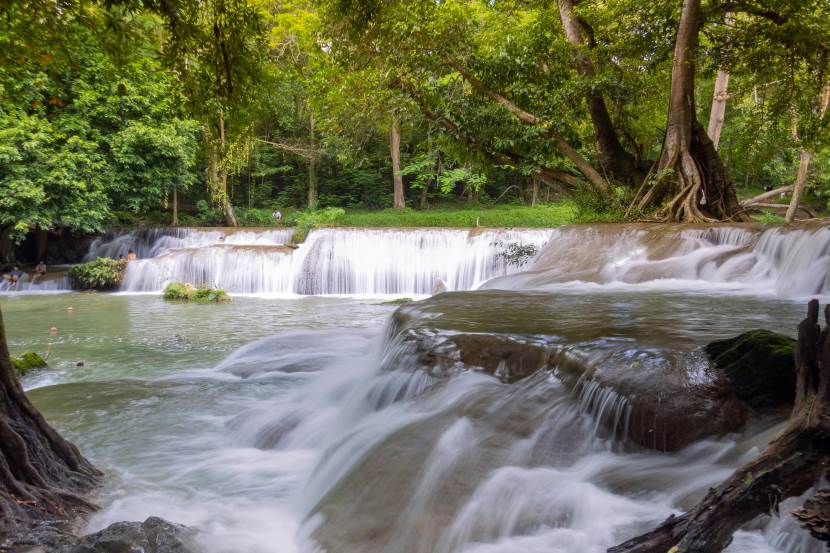
In the lush expanses of the Terai region, a significant shift in the approach to regional travel is being observed. The Uttar Pradesh Eco Tourism Development Board (UPETDB) has entered into a strategic partnership with BVG India to establish a pioneering nature-led retreat. This eco-tourism project is situated at Chandan Chowki within the Lakhimpur Kheri district, serving as a gateway to the biodiversity of Dudhwa National Park. By prioritizing low-impact development, the state aims to redefine the visitor experience, moving away from high-density commercialization toward a more deliberate and sustainable interaction with the environment.
The initiative is centered around the BVG India Resort, a facility spanning five acres that is currently under development. It is anticipated that the property will be fully operational by March 2026. This project is not merely a hospitality venture but is conceptualized as an anchor for a broader eco-tourism hub. The integration of wildlife conservation, wellness, and local cultural heritage is intended to offer a multifaceted experience to travelers. Through this model, the natural landscape of Uttar Pradesh is highlighted, showcasing the state’s potential as a premier destination for those seeking meaningful engagement with the wilderness.
A Model for Public-Private Collaboration
The development of the Chandan Chowki site is facilitated through a comprehensive public–private partnership (PPP) framework. Under this arrangement, the responsibility for the entire project lifecycle has been entrusted to BVG India. This scope includes the initial planning and architectural design, the securing of necessary financing, and the long-term management of operations and maintenance. Furthermore, the private partner is tasked with obtaining all essential regulatory clearances and executing a robust promotional strategy to position the resort within the national and international travel markets.
For the state of Uttar Pradesh, this collaboration represents a strategic move toward enhancing tourism infrastructure without placing an undue burden on public resources. By leveraging the expertise of a private entity, the project ensures a professional standard of hospitality and operational efficiency. The partnership is designed to ensure that economic viability is achieved in tandem with environmental stewardship. It is observed that such models are increasingly being adopted to foster development in ecologically sensitive zones where careful management is paramount.
Advertisement
Advertisement
Architectural Philosophy and Environmental Integration
The architectural intent behind the BVG India Resort is rooted in the principle of minimal environmental disruption. The design philosophy dictates that the structures should harmonize with the surrounding forest rather than dominate it. It is planned that the resort will follow the natural contours of the terrain, utilizing construction methods that preserve the existing flora and fauna. This approach ensures that the ecological integrity of the buffer zone near Dudhwa National Park remains intact.
A variety of accommodation options are being developed to cater to a diverse demographic of visitors. These include specialized stays for wildlife enthusiasts, family-oriented facilities, and spaces tailored for small corporate retreats. Despite the provision of modern amenities, such as food and beverage services and recreational zones, the focus remains on a restrained and tranquil atmosphere. The environment is being curated to encourage a slower pace of life, where guests can immerse themselves in the natural rhythms of the Terai forest.
Advertisement
Advertisement
Wellness and the Restoration of the Self
Beyond the physical structures, a significant emphasis is placed on the concept of wellness. This is not presented as an optional service but is woven into the very fabric of the resort’s layout. The abundance of open spaces and the proximity to the pristine wilderness are intended to facilitate a sense of presence and mental restoration. It is recognized that modern travelers are increasingly seeking destinations that offer a reprieve from urban congestion, and this project is positioned to meet that demand.
The experience of the guest is shaped by the subtle sounds of the forest and the changing light of the day. By providing an environment that fosters a deep connection with nature, the resort serves as a sanctuary for those looking to reconnect with themselves. The integration of wellness into the eco-tourism framework reflects a holistic understanding of travel, where the physical journey is accompanied by an internal sense of peace and rejuvenation.
Advertisement
Advertisement
Empowering the Tharu Community
A central pillar of the Chandan Chowki initiative is the active involvement of the local community. A dedicated space within the tourism hub has been allocated for the promotion of Tharu tribal handicrafts. This initiative provides a platform for local artisans, particularly women, to showcase their traditional skills and secure a sustainable source of income. By bringing tribal heritage to the forefront, the project ensures that the economic benefits of tourism are shared with those who have inhabited the region for generations.
The inclusion of the Tharu community serves to enrich the cultural narrative of the destination. Visitors are offered an authentic glimpse into the traditions and craftsmanship that define the Terai region. This synergy between tourism and community development is essential for creating a socially responsible model of travel. It ensures that the local culture is not only preserved but celebrated as an integral part of the visitor experience.
Sustainable Practices and Organic Horticulture
In addition to cultural preservation, the project incorporates sustainable agricultural practices through organic horticulture zones. These areas are designed as functional spaces where guests can witness and participate in rural cultivation methods. Instead of traditional ornamental gardens, these zones emphasize the importance of sustainable food systems and the link between the land and the table.
These horticultural initiatives serve as educational tools, informing guests about the ecological importance of indigenous plant species and organic farming. By integrating these practices into the resort’s operations, a message of environmental responsibility is reinforced. The project seeks to demonstrate that modern hospitality can coexist with traditional land stewardship, providing a model for future developments in the state.
The Ecological Significance of the Region
The setting of the resort adds a layer of critical importance to the project. Dudhwa National Park, situated along the Indo-Nepal border, is a vital sanctuary for biodiversity. It is one of the rare habitats where the Bengal tiger, the one-horned rhinoceros, and the endangered swamp deer are found in a shared ecosystem. As a key component of Project Tiger, the conservation of this landscape is of national importance.
The development of tourism infrastructure in the buffer zones of such a sensitive area requires a high degree of caution. By focusing on low-impact, nature-led tourism, the Chandan Chowki project aims to provide a sustainable alternative to traditional tourism models. It is hoped that by fostering an appreciation for the wildlife and the ecosystem, visitors will become advocates for the continued protection of these natural treasures.
A New Chapter for Uttar Pradesh Tourism
The emergence of the BVG India Resort signifies an expansion of the tourism portfolio of Uttar Pradesh. While the state is widely recognized for its heritage and religious landmarks, the move toward eco-tourism represents a diversification of its appeal. As the global travel industry shifts toward experience-rich and sustainable destinations, projects like the one at Chandan Chowki position the state to capture the interest of a conscious traveler base.
In conclusion, the partnership between the UPETDB and BVG India reflects a forward-thinking approach to regional development. By balancing the needs of the environment, the local community, and the traveler, a new standard for responsible tourism is being established. The focus on conservation and community engagement ensures that the beauty of the Dudhwa region is preserved for future generations, while providing a unique and meaningful escape for those who visit today.


link