

Wednesday, July 23, 2025

In a big statement to support responsible tourism and cross-cultural interaction, a group of media professionals from Central Asia has just returned from that celeb of forest parks – Zhangjiajie National Forest Park in China. The tour sought to explore and comprehend how China has been forging new paths across the tourism spectrum with eco-tourism gaining popularity in the world as more people seek out green vacations.
Showcasing Zhangjiajie’s Natural Wonders
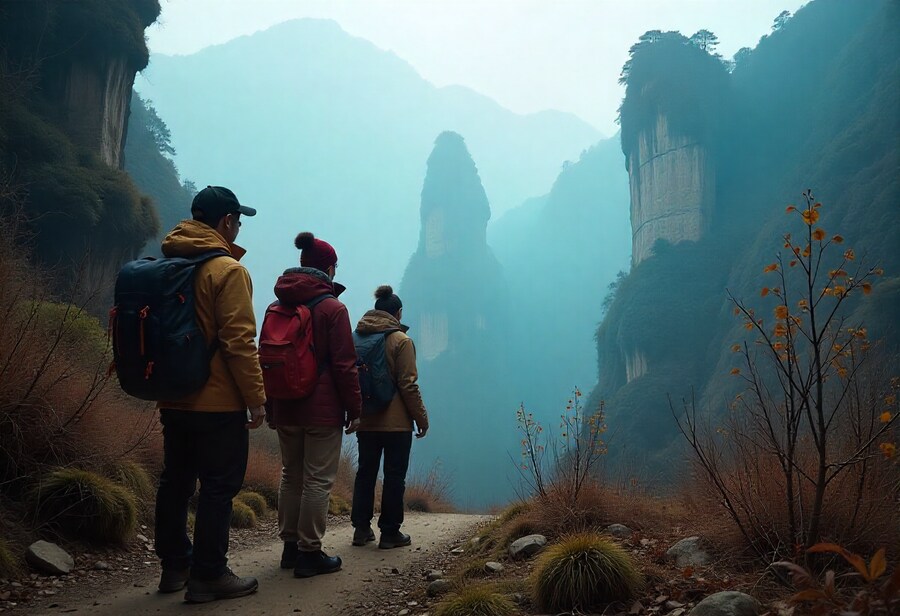
This scenic visit was conducted at Zhangjiajie National Forest Park, which is world famous for its stunning quartz sandstone peaks as well as its rich diversity of life. Resplendent with soaring sandstone pillars, mist-cloaked mountains and verdant flora, Zhangjiajie has more and more become a model of sustainable tourism, balancing visitor needs and environmental care.
Hungarian media representatives from Central Asia representing various countries and media platforms visited destination offices and places of interest. Their purpose was to be inspired by Zhangjiajie’s success story in integrating responsible (sustainable) tourism in its service delivery and operations, as well as in extended surroundings, an experience that they could possibly replicate in Central Asia.
Eco-Tourism: A Strategic Priority
Eco-tourism is fast becoming a recognized global priority in the travel industry, as economic growth and environmental sustainability go hand in hand. The fact-finding trip carried out by the delegation was part of a program aimed at disseminating experience in eco-tourism and promoting best practice among countries including those in Central Asia, interested in developing competitive sustainable tourism industries.
During their stay, the experts learned how local government in Zhangjiajie control tourist numbers while protecting the environmental integrity of the park. Approaches, including education of visitors, strict management of tourist activities, and infrastructure for reducing ecological effects were extensively evaluated.
Lessons from China on Sustainable Tourism Initiatives
China has been a major investor of eco-tourism projects, and Zhangjiajie is a case in point! According to the visiting delegation, the group delved into innovations including modern waste management facilities, eco-friendly transportation choices, and environmentally friendly accommodation standards in the park.
Interactive discussions with regional environmentalists and park managers enabled the Central Asian specialists to further discuss specific measures to limit visitor numbers and minimize environmental damage. Allowing for such exchange of ideas, these dialogues enhanced collective wisdom in the global stage on appropriate responses to common challenges faced by successful natural tourist attractions.
Fostering Cross-Regional Cooperation
This visit shows that eco-tourism and sustainable travel practices should be promoted through international cooperation. The countries of central Asia are blessed with natural and cultural resources and could potentially benefit greatly from the inspirations garnered at Zhangjiajie. If they were to follow suit, they could make themselves more and more attractive tourist destinations all the while preserving their ecological integrity.
I was particularly impressed by the cooperative approach of Zhangjiajie’s authorities, by how they focused on the participation and self-discipline of local communities alongside responsible visitor behaviour. Such systems have the added benefit of propagating the advantages of eco-tourism into local economies and communities.
Eco-Tourism as an Approach of Sustainable Development
Lessons learned during the visit will be used to influence future tourism policy-making in central Asia, to direct tourism developers towards a more sustainable path. Eco-tourism, when properly utilized, does not only fulfill environmental purposes, but also contributes to broader aims such as economic and social ones, because it provides with job opportunities and improves community life standards.
The countries of Central Asia, with rich natural landscapes and biodiversity of their own, can capitalize on this potential through similar innovative approaches, like the on display in Zhangjiajie. In doing so, they not only will draw foreign tourists and boost the economy, but they also will work to improve the sustainability record for the entire world.

link