

Published on
September 15, 2025

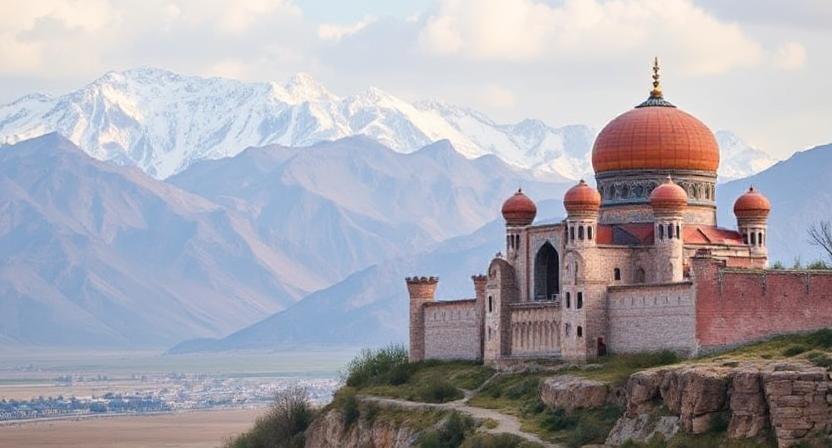
With the increase in the Belt and Road Initiative (BRI) and increased global interest in the region’s historical heritage, Central Asia is fast becoming a prime tourist destination for those interested in cultural discovery, health tourism, and educational study chances. Divided into Kazakhstan, Kyrgyzstan, Uzbekistan, Turkmenistan, and Tajikistan, the region consists of a multifarious mix of cultural heritage, historic cities, and natural attractions. With tourism infrastructure growing and regional connectivity increasing, Central Asia is ready to receive international tourists.
The Belt and Road Initiative: Connecting Central Asia with the World
The Belt and Road Initiative launched by China has significantly transformed Central Asia’s tourism landscape. By improving transportation networks and enhancing regional cooperation, the BRI has opened up new travel routes for tourists. Railways, highways, and air connectivity have made Central Asia more accessible than ever, allowing tourists to explore the Silk Road, UNESCO World Heritage sites, and modern urban centers.
Improved infrastructure has also allowed for multi-destination tours, with travelers able to easily visit Kazakhstan’s historical sites, Uzbekistan’s architectural wonders, and Tajikistan’s mountain landscapes in one trip. As regional connectivity grows, the tourism sector in Central Asia is flourishing, becoming a key player in the broader Asian tourism market.
Central Asia’s Rich Cultural Heritage and Its Appeal to Tourists
One of the biggest draws for tourists to Central Asia is its cultural heritage, deeply rooted in the Silk Road. Ancient cities such as Samarkand, Bukhara, and Khiva in Uzbekistan have long been centers of commerce and cultural exchange, and they continue to be must-visit destinations for those seeking to explore the legacy of the Silk Road.
The region’s Islamic architecture, intricate mosaics, and historic bazaars offer tourists a glimpse into Central Asia’s past while showcasing rich traditions that continue to influence modern-day cultures. Cultural tourism in the region allows visitors to engage with local communities, learn about traditional crafts, and discover the unique customs that define Central Asian societies.
Wellness and Eco-Tourism: The Rise of Health-Focused Travel in Central Asia
As travelers increasingly seek holistic travel experiences, Central Asia is emerging as a hub for wellness tourism. The region’s clean air, natural landscapes, and spiritual traditions make it an ideal destination for those looking to rejuvenate both physically and mentally.
Countries like Uzbekistan and Kazakhstan are developing wellness retreats that offer spa treatments, yoga and meditation retreats, and salt therapy in tranquil natural settings. The focus on eco-tourism in Central Asia is also growing, with visitors flocking to protected areas, national parks, and mountain resorts to experience nature-based activities such as hiking, birdwatching, and sustainable wildlife tourism. The region’s low humidity, high solar irradiance, and natural thermal springs make it a perfect destination for wellness retreats that emphasize health, relaxation, and sustainable tourism practices.
Study and Educational Tourism: Central Asia as a Hub for Learning
Central Asia is also gaining recognition for its academic tourism opportunities. With a rich history of scholarship and cultural exchange along the Silk Road, the region offers students and researchers the chance to explore historical sites, study ancient manuscripts, and participate in archaeological excavations.
In Uzbekistan, the establishment of the Silk Road International University of Tourism and Cultural Heritage in Samarkand is an example of how the region is fostering education in cultural studies, tourism management, and regional heritage. The university attracts students from across China and other countries, offering programs focused on tourism development, cultural preservation, and regional studies.
China’s involvement in archaeological missions in Central Asia has also enhanced the region’s academic appeal, creating opportunities for collaborative research and knowledge-sharing. The growth of academic tourism in Central Asia is providing students with unique learning experiences while also contributing to the development of tourism infrastructure.
The Impact of Wellness and Cultural Tourism on Central Asia’s Economy
As health and cultural tourism in Central Asia grows, it’s contributing to the region’s economic development. Tourism is one of the fastest-growing industries in countries like Kazakhstan and Uzbekistan, with new tourism-related businesses emerging in hotels, restaurants, tour agencies, and transportation services. Local artisans and farmers are also benefiting from the increased demand for cultural goods, traditional crafts, and agriculture-based tourism.
The development of eco-tourism and wellness tourism is helping create sustainable jobs, promote local products, and generate tourism revenue for Central Asia. The region’s growing appeal as a wellness destination and its cultural riches are creating opportunities for businesses and local communities to thrive.
Future Prospects for Central Asia’s Tourism Industry
Looking ahead, the future of tourism in Central Asia appears promising. With increasing investment in tourism infrastructure, improvements in transportation networks, and greater regional collaboration, Central Asia is well-positioned to become a leading tourism hub in Southeast Asia and beyond.
The continued development of eco-tourism, cultural tourism, and wellness tourism will further elevate the region’s appeal to global travelers. As countries in Central Asia work to enhance their tourism offerings, the region is poised to benefit from an influx of tourists seeking unique experiences, adventure, and relaxation.
Central Asia’s Bright Future in Tourism
Central Asia is rapidly emerging as a global tourism destination of importance, presenting to travelers an extraordinary blend of cultural heritage, nature, and wellness tourism. Faced with developing infrastructure, rich cultural heritage, and a focus on sustainable tourism, the region has established itself as a premier educational travel destination, adventure tourism hotspot, and wellness tourism getaway. As the area goes on to further develop its tourism products and market itself internationally, Central Asia will become a central destination for cultural tourism and health travel, drawing visitors from everywhere who are interested in experiencing its rich variations in landscape and historical riches.

link